
Termites are one of the most destructive risks to homes across Western Australia. Despite their size, these insects can cause thousands of dollars in damage long before homeowners realise anything is wrong. Unlike storms or fire, termite damage is rarely covered by standard home insurance, and repairs can be extensive and disruptive.
This guide brings together everything WA homeowners need to know: the real likelihood of a termite attack, the conditions that attract termites, early warning signs to watch for, and the practical steps you can take to reduce risk. Throughout, we highlight when it’s time to book a professional Termite & Timber Pest Inspection and how this protects your home long term.
If you’ve already seen something that concerns you, you can book a Termite & Timber Pest Inspection at any time.
1. Are Termites Really a Risk for My Home in WA?
In short: yes. Termites are a widespread issue in Perth and throughout the South West. Even homes you might assume are safe – such as full-brick constructions – can experience serious timber damage. Termites do not attack bricks, but they can reach internal framing, flooring, skirting, architraves, wardrobes, roof timbers, and subfloor structures.
Several factors increase risk:
- Moisture sources around or under the house
- Leaking pipes, gutters, air-conditioning overflows and poor drainage
- Timber in contact with soil
- Landscaping that hides the perimeter walls
- Construction faults that provide concealed entry paths
Research shows termite damage is more common than fire damage, yet homeowners rarely consider it until a problem is discovered.
Because of this level of risk, an annual Termite & Timber Pest Inspection is one of the most effective ways to safeguard your property.
2. Why Termite Damage Is Not Covered by Most Home Insurance Policies
Most insurers do not cover termite damage because they categorise it as a preventable issue. Insurance typically protects against sudden, unexpected events – not gradual damage caused over months or years.
This is why early detection and prevention matter:
- Average repair bills for termite damage can reach five figures.
- Termites often remain hidden until significant structural damage exists.
- Without regular inspections and basic preventative measures, homeowners carry the full financial burden.
A smart termite management plan combines prevention, regular inspections, and appropriate control systems where needed. Prevention and inspections are entirely within a homeowner’s control, making them non-negotiable parts of home maintenance in WA.
3. What Are Conducive Conditions for Termites?
Conducive conditions are features in and around your property that make it easier for termites to access food (timber) and water, and to remain undetected. Many homeowners unknowingly create an ideal termite environment without realising it.
Common conducive conditions include:
- Moisture issues: leaking taps, dripping air-conditioning units, blocked gutters, poor drainage, or soil built up against walls.
- Timber contact with soil: garden edging, fence posts, pergola posts, timber sleepers or steps that sit directly in soil.
- Obstructed inspection zones: garden beds, heavy vegetation, stored items or structures that conceal the lower brickwork and weep holes.
- Poor ventilation: subfloor areas or enclosed zones where moisture cannot escape.
- Landscaping that traps moisture: mulch, leaf litter or damp soil sitting against the home’s perimeter.
Termites are highly dependent on moisture. Anything that keeps timber damp or creates hidden pathways into the home increases the likelihood of a problem.
If you are unsure whether your property has conducive conditions, a Termite & Timber Pest Inspection will identify them and recommend solutions.
4. How to Make Your Home Less Attractive to Termites
While you cannot eliminate termites from the environment, you can significantly reduce the chances that they choose your property. Termites are opportunistic; if your home is dry, well-maintained and easy to inspect, they are far less likely to establish themselves.
4.1 Reduce moisture
Moisture is the number-one driver of termite activity.
- Repair leaking gutters, downpipes and roof areas.
- Ensure the ground slopes away from the home so water drains properly.
- Fix leaking taps and pipes, both internally and externally.
- Check air-conditioning units for continuous drips.
- Keep garden beds and irrigation lines away from the edge of the house.
4.2 Eliminate timber-to-soil contact
Timber that touches soil is an open invitation for termites.
- Replace mulch with inorganic alternatives like gravel where possible.
- Remove old tree stumps.
- Keep firewood stored off the ground and away from the home.
- Avoid storing timber, cardboard or furniture against external walls.
4.3 Improve visibility around the home
Inspectors need a clear line of sight around the perimeter to identify termite entry points and activity.
- Keep garden beds pulled back from walls.
- Trim foliage that blocks vents or brickwork.
- Avoid built-up soil or landscaping that obscures slab edges or weep holes.
If this list feels overwhelming, a Termite & Timber Pest Inspection prioritises the most important actions for your specific property.
5. Eight Key Signs of Termite Activity (Obvious and Hidden)
Most homeowners do not recognise termite activity until damage is significant. Knowing the early signs can save thousands in repair costs.
Obvious signs:
- Termite nests: mounds or arboreal nests on trees or in the yard. Some species do not attack homes, but their presence indicates termite pressure in the area.
- Mud tubes or mud sheeting: pencil-thick or sheet-like mud structures on trees, fences, or walls.
- Piles of wings: discarded wings from termite swarmers near windowsills, door tracks or lights.
Hidden signs inside the home:
- Mud spots on internal walls: small brown dots or lines where termites have broken through plasterboard.
- Rippling paint or warped skirting: may indicate damage beneath the surface.
- Spongy or uneven floors: termites can hollow out timber from below.
- Doors or windows suddenly sticking: timber movement caused by termite activity.
- Electrical issues: termites can interfere with wiring when they mud inside wall cavities.
- Soft tapping or clicking noises: termites are surprisingly audible in quiet environments.
If you notice any of these signs in Perth, Mandurah or the South West, you should arrange a professional inspection as soon as possible.
6. Building a Termite Management Plan for Your Home
A well-rounded termite management plan in WA generally includes three components:
1. Eliminating conducive conditions
These are the moisture, timber and access issues outlined in Sections 3 and 4.
2. Regular timber pest inspections
The Australian Standards recommend inspections at least every 12 months, and sometimes more frequently in high-risk locations. Inspections identify activity, environmental risks and construction issues before damage becomes severe.
3. Installing a termite management system (if necessary)
If your property has known termite pressure or structural vulnerabilities, a professional pest manager may recommend chemical or physical systems to help control termites around the home.
An annual Termite & Timber Pest Inspection is the anchor of a successful plan. It provides a detailed snapshot of current conditions and helps you prioritise prevention.
7. When You Should Book a Termite & Timber Pest Inspection
You should organise an inspection if:
- You have not had a termite inspection in the last 12 months.
- You are buying a property (pre-purchase inspection).
- You have noticed any of the signs listed in Section 5.
- Your home has conducive conditions and you are unsure how to address them.
- There is a history of termites at the property or neighbouring homes.
- You live in a high-risk suburb in Perth, Mandurah or the South West.
A qualified inspector will assess the entire property, identify any termites or timber pests, outline conducive conditions, and provide clear recommendations to protect your home.
To book a Termite & Timber Pest Inspection, see our service page for more details.
8. Frequently Asked Questions
How common are termites in WA?
Termites are active across Perth, Mandurah and the South West, and are responsible for more residential damage than fire or wind events. Many species live naturally in the environment and will readily enter a property if conditions are suitable.
Does home insurance cover termite damage?
Generally no. Most policies exclude termites because the damage results from gradual activity rather than a sudden event. Prevention and inspections are essential.
How often should I book an inspection?
At least annually. High-risk homes may require inspections more frequently. Your inspector will advise based on your property’s construction and risk profile.
What happens during a termite inspection?
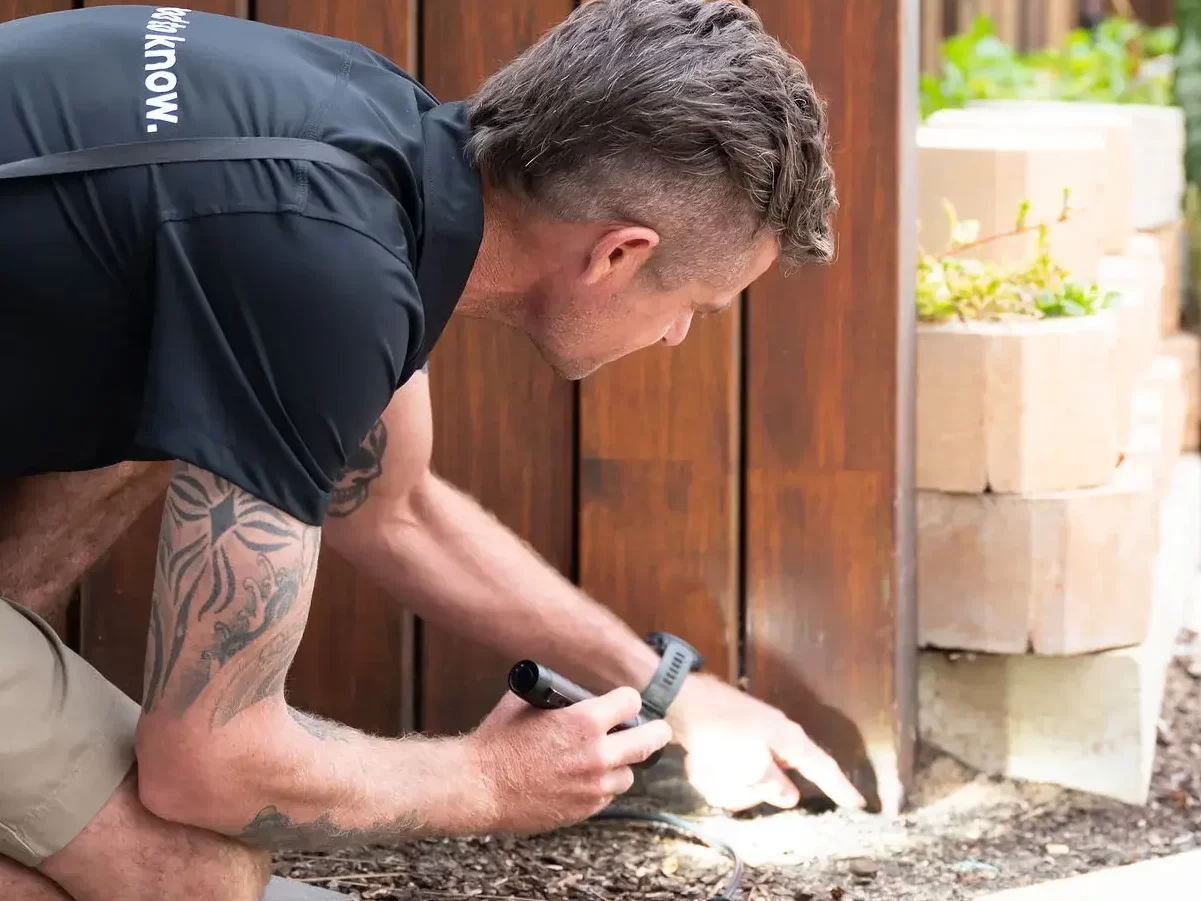
The inspector examines the interior, exterior, roof void and subfloor (if accessible), checks trees and fences within the property boundary, and uses specialised tools to detect moisture and activity.
What are the most common conducive conditions?
Moisture, soil contact with timber, poor drainage, obstructed weep holes, and gardens built against walls.
Summary: Protecting Your Home From Termites
Termites are a preventable but serious risk for homeowners in WA. By understanding conducive conditions, recognising early signs, and arranging regular inspections, you can significantly reduce the likelihood of costly damage.
This guide provides the information you need to keep your home safe, but nothing replaces a professional Termite & Timber Pest Inspection when it comes to certainty and peace of mind.
To arrange an inspection in Perth, Mandurah or the South West, visit our Termite & Timber Pest Inspection service page.